Why partnering with Wisconsin Aluminum Foundry delivers precision
Wiki Article
Recognizing the Role of Aluminum Foundry in Creating High-Quality Metal Products
Aluminum foundries are important in the production of top quality steel items. They employ numerous casting techniques, such as sand and die spreading, to attain accuracy and durability. With rigorous quality assurance actions in position, these facilities guarantee that their items satisfy sector requirements. As industries develop, the role of Aluminum shops remains to adapt. This raises questions concerning future developments and sustainability techniques that might redefine their impact.The Aluminum Casting Process: Innovations and methods
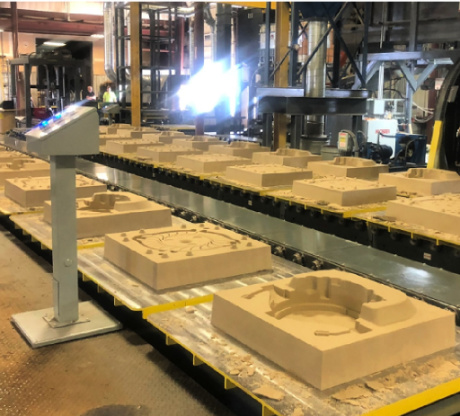
The Aluminum spreading process has advanced substantially, incorporating different techniques and technologies that improve effectiveness and product top quality. Traditionally, approaches such as sand spreading and pass away spreading were predominant; however, advancements have introduced procedures like investment casting and low-pressure die spreading. These technologies allow makers to accomplish intricate designs and tighter resistances, lowering product waste and improving overall efficiency.Moreover, the assimilation of computer-aided style (CAD) and simulation software program permits for even more specific modeling and testing, making sure that prospective concerns are determined early in the production cycle. Additionally, developments in alloy solutions bring about boosted mechanical residential or commercial properties and rust resistance
These developments not just streamline production yet additionally promote sustainability by minimizing energy consumption and discharges. As the sector remains to welcome new modern technologies, the Aluminum spreading procedure continues to be a vital part in creating top notch steel items that satisfy diverse market needs.
Applications of Aluminum in Various Industries
Light weight aluminum's adaptability and favorable properties make it an important material throughout various sectors. In the automotive field, Aluminum is widely utilized for its lightweight characteristics, adding to boosted gas efficiency and performance. The aerospace market additionally benefits, as light weight aluminum's high strength-to-weight ratio boosts aircraft design while preserving safety requirements.In building, Aluminum is preferred for its sturdiness and resistance to deterioration, making it suitable for window structures, roof, and structural parts. The packaging market leverages aluminum's non-toxic nature and recyclability, especially in food and beverage containers, making sure security and sustainability.
Furthermore, the electrical sector uses Aluminum for its excellent conductivity in electrical wiring and transmission lines. The durable goods sector utilizes Aluminum in products ranging from kitchen tools to electronic devices, stressing its adaptability. Aluminum plays an essential function in enhancing performance, performance, and sustainability throughout diverse applications.
Benefits of Using Aluminum Over Various Other Metals
While numerous metals are used in different applications, Aluminum stands apart due to its distinct combination of properties that offer several benefits over other materials. Its lightweight nature significantly decreases transport expenses and power consumption, making it suitable for sectors such as automobile and aerospace. Light weight aluminum's outstanding deterioration resistance improves sturdiness, expanding the life of items and decreasing upkeep needs. In addition, it shows high thermal and electrical conductivity, making it suitable for electric and thermal monitoring applications.The metal's pliability permits for elaborate styles and complicated forms, offering versatility in manufacturing procedures. Furthermore, Aluminum is 100% recyclable without loss of high quality, promoting sustainability and minimizing ecological impact. Aluminum Castings. These qualities, incorporated with its reasonably inexpensive compared to other metals, position Aluminum as a recommended choice across different markets. On the whole, the advantages of Aluminum contribute to its boosting popularity in the manufacturing of high-quality steel products
Quality Assurance Actions in Aluminum Foundries
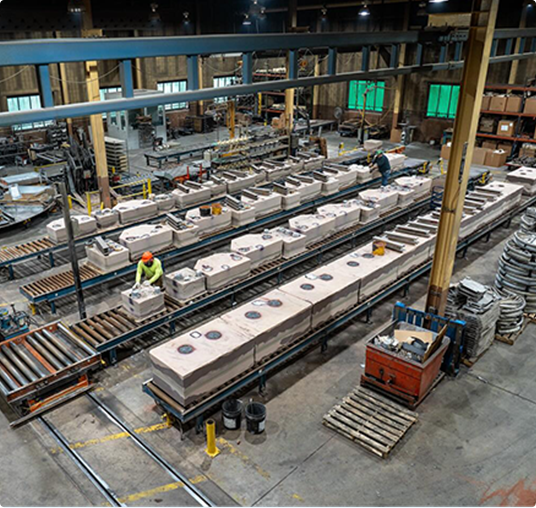
Quality control steps play a vital role in the Aluminum Foundry process, ensuring that the final products meet extensive sector criteria and client assumptions. These actions usually begin with product examination, where raw Aluminum is reviewed for pureness and composition. Once the spreading process starts, temperature control is important; preserving suitable molten metal temperature levels avoids flaws such as porosity and shrinking.In addition, non-destructive screening (NDT) techniques, including radiographic and ultrasonic examinations, are utilized to find interior problems without damaging the spreadings. Visual evaluations are additionally conducted at numerous phases to determine surface flaws.
Additionally, adherence to established quality management systems, such Aluminum Castings as ISO criteria, is essential for maintaining consistency and traceability throughout the production procedure. Regular audits and worker training on top quality standards add to an overall society of quality, making certain that the products not just surpass however meet client expectations in efficiency and resilience.
The Future of Aluminum Foundries: Trends and Sustainability
As the Aluminum Foundry industry advances, emerging patterns and a concentrate on sustainability are improving its landscape. Enhancing demand for sturdy and light-weight materials in sectors like automotive and aerospace drives advancement in Aluminum spreading methods. Advanced innovations, such as expert system and automation, are improving manufacturing efficiency and accuracy while minimizing waste.Sustainability is becoming an extremely important problem, triggering factories to execute eco-friendly techniques, including reusing Aluminum scrap and using renewable resource sources. The change towards circular economic climate concepts urges foundries to reduce ecological impact while fulfilling customer expectations for sustainable products.
Furthermore, governing stress are pressing the sector in the direction of cleaner procedures, promoting collaboration in between makers and environmental companies. As these patterns converge, the future of Aluminum foundries will likely be characterized by a commitment to high quality, sustainability, and efficiency, ensuring their significance in a competitive market.
Regularly Asked Questions
What Are the Environmental Impacts of Aluminum Foundries?
Aluminum foundries add to environmental impacts through energy usage, greenhouse gas exhausts, and prospective air and water air pollution. Additionally, mining bauxite for Aluminum can cause habitat damage and soil destruction, influencing neighborhood ecosystems.
Exactly How Do Shops Guarantee Worker Security During Manufacturing?
Shops execute strenuous safety protocols, including safety tools, air flow systems, and regular training. They carry out risk analyses and maintain security criteria to decrease risks, guaranteeing a more secure working setting for workers throughout the manufacturing procedure.What Qualifications Should a Light Weight Aluminum Foundry Have?
A light weight aluminum Foundry must possess certifications such as ISO 9001 for high quality administration, ISO 14001 for ecological management, and OSHA conformity for security criteria. These accreditations guarantee adherence to industry laws and commitment to top quality and safety and security methods.Just How Does Aluminum Recycling Affect Foundry Workflow?
Aluminum recycling significantly boosts Foundry operations by providing a cost-effective raw material resource, reducing power consumption, and reducing ecological effect - Aluminum Foundry. It likewise encourages sustainable methods, allowing foundries to keep competition in a swiftly progressing marketWhat Are Typical Problems in Aluminum Castings?
Usual problems in Aluminum castings include porosity, contraction, inclusions, and surface area blemishes. These issues can occur from incorrect mold layout, inadequate putting techniques, or contamination throughout the melting and spreading procedures, influencing general product high quality..jpg)
Report this wiki page